Industrial robots inherit controlled workcells. Home robots inherit everything.
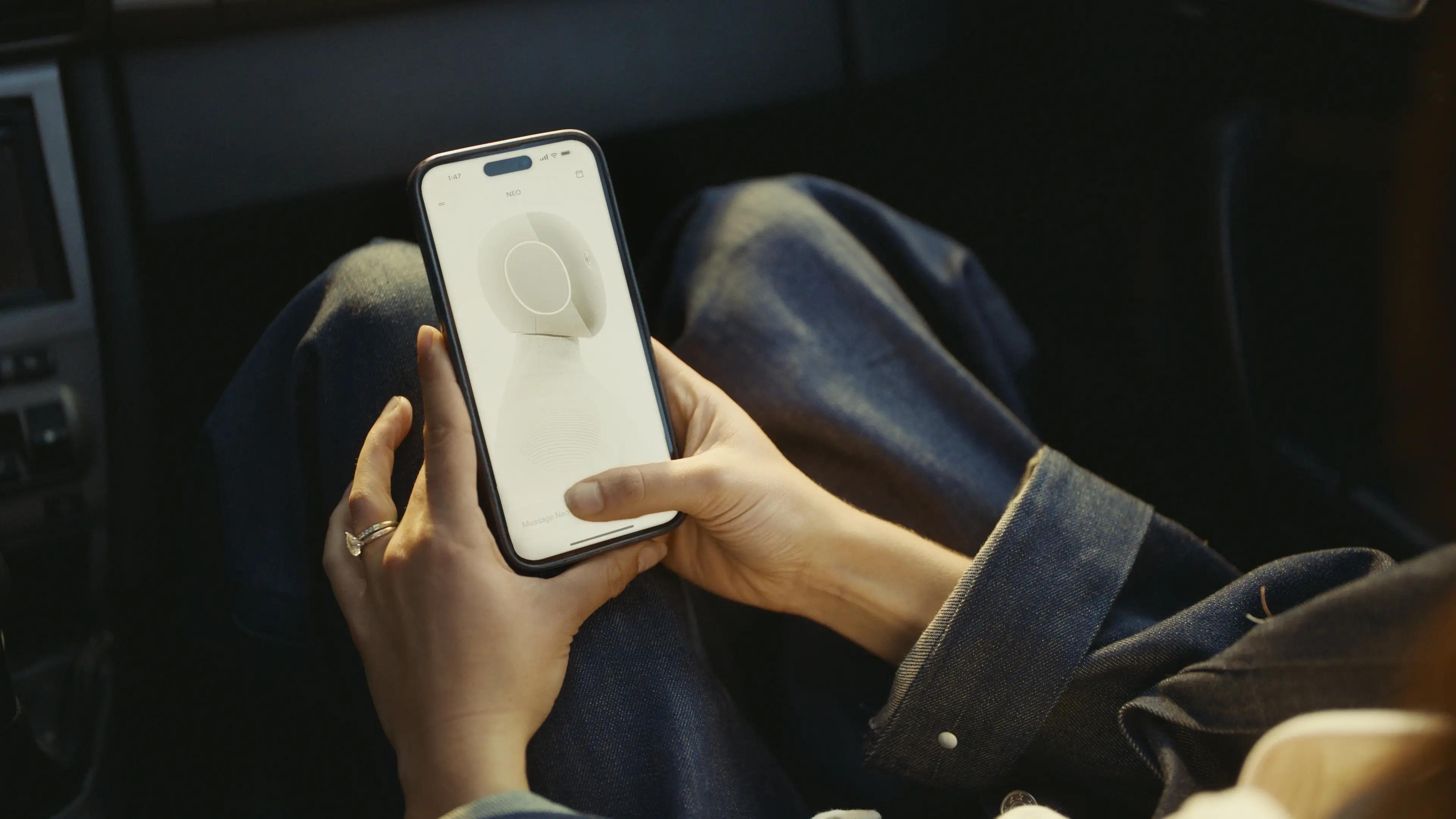
1X’s NEO is built around the domestic environment. The company presents it as a humanoid that can receive chores through voice or a mobile interface, manage its own charging, and grow in capability over time. Its soft exterior and human-scale form express a central design goal: coexistence inside spaces built for people.
The home tests generality in a way the factory rarely does. Floors change. Light moves. Objects migrate. People interrupt. Packaging deforms. Towels fold differently every time. Drawers contain surprises. Two visually similar products may require different forces, sequences, or safety conditions.
This is where product design becomes part of the robot’s performance.
A robot may possess enough strength to open a cabinet and still fail because the edge offers no visible grasp region. It may recognize a detergent bottle and miss the child-resistant closure. It may understand the word “toaster” and lack a reliable way to determine whether the appliance is hot. The failure belongs to the interaction between robot, product, and context.
Manufacturers can reduce that uncertainty. Machine-visible state indicators can supplement subtle human cues. Handles and access points can accommodate known gripper envelopes. Structured instructions can connect product entities to actions and safety constraints. Digital interfaces can expose state and accept verified commands. Consistent design language can make skills transfer across a product family.
NEO also illustrates why robot readiness is a moving target. A product that is difficult for today’s gripper may become usable after a hardware update. A new vision-language-action model may unlock a task without changing the product. A redesign may remove a bottleneck years before the robotics industry solves it through brute force.
The strategic question is therefore about timing. Manufacturers need to know which limitations are temporary, which create lasting incompatibility, and which product changes deliver value across several robot platforms.
When the humanoid comes home, every object becomes part of its operating system.
Sources
Hero image: editorial photograph. Official brand imagery and required credits are available via the sources above.
Ainsof independently analyzes how advances in robotics affect products, tools, and physical environments. Company names and trademarks belong to their respective owners. References to third-party products do not imply endorsement or partnership.