MIELE has spent more than a century refining appliances around the person standing in front of them. Handles meet the human hand. Displays meet the human eye. Programs are named for human intentions: wash, cook, clean, preserve.
That design logic is beginning to expand.
The company’s current AI portfolio already includes software that identifies food inside an oven, diagnostics that anticipate maintenance, and assistants that guide customers through product selection and use. In MIELE’s own reporting, these systems are presented as ways to make appliances more proactive and connected. The deeper implication reaches far beyond convenience. An appliance is becoming a participant in a network of perception, decisions, and action.
Imagine a humanoid loading a dishwasher. The machine must identify the appliance, understand the door and rack geometry, infer where each item belongs, choose a grasp, control force, and verify that the cycle has started. A human absorbs most of this design language intuitively. A robot needs it expressed through visible structure, physical affordances, digital interfaces, and training data.
MIELE sits in a particularly revealing position. Its products are engineered for longevity, precision, and tightly controlled interaction. Those qualities can translate well to automation when the product exposes clear states and repeatable actions. They can also create friction when a control is visually subtle, a latch depends on fine tactile judgment, or a workflow lives mainly in human habit.
This is the next competitive layer for premium appliances. Performance will include how reliably an autonomous system can recognize, manipulate, operate, and recover around the product. A beautifully engineered appliance may become easier or harder for the next user depending on decisions as small as handle clearance, surface reflectivity, control placement, state feedback, and access to structured product knowledge.
For manufacturers, the lesson is immediate: robot compatibility begins long before a humanoid reaches mass adoption. Product redesign cycles take years. Manuals, CAD, materials, interaction patterns, and telemetry can be organized today. Digital twins can expose hidden failure points. Simulation can reveal whether a robot sees a control, reaches a compartment, produces enough torque, or understands that an action succeeded.
MIELE’s movement from connected appliances toward AI-assisted living shows where the category is heading. The home will contain products that sense, communicate, and coordinate. Humanoid robots add a mobile body to that system. The brands that prepare their products for that body will shape how smoothly the transition feels.
The next appliance standard may be measured by a simple question: can the new user operate it?
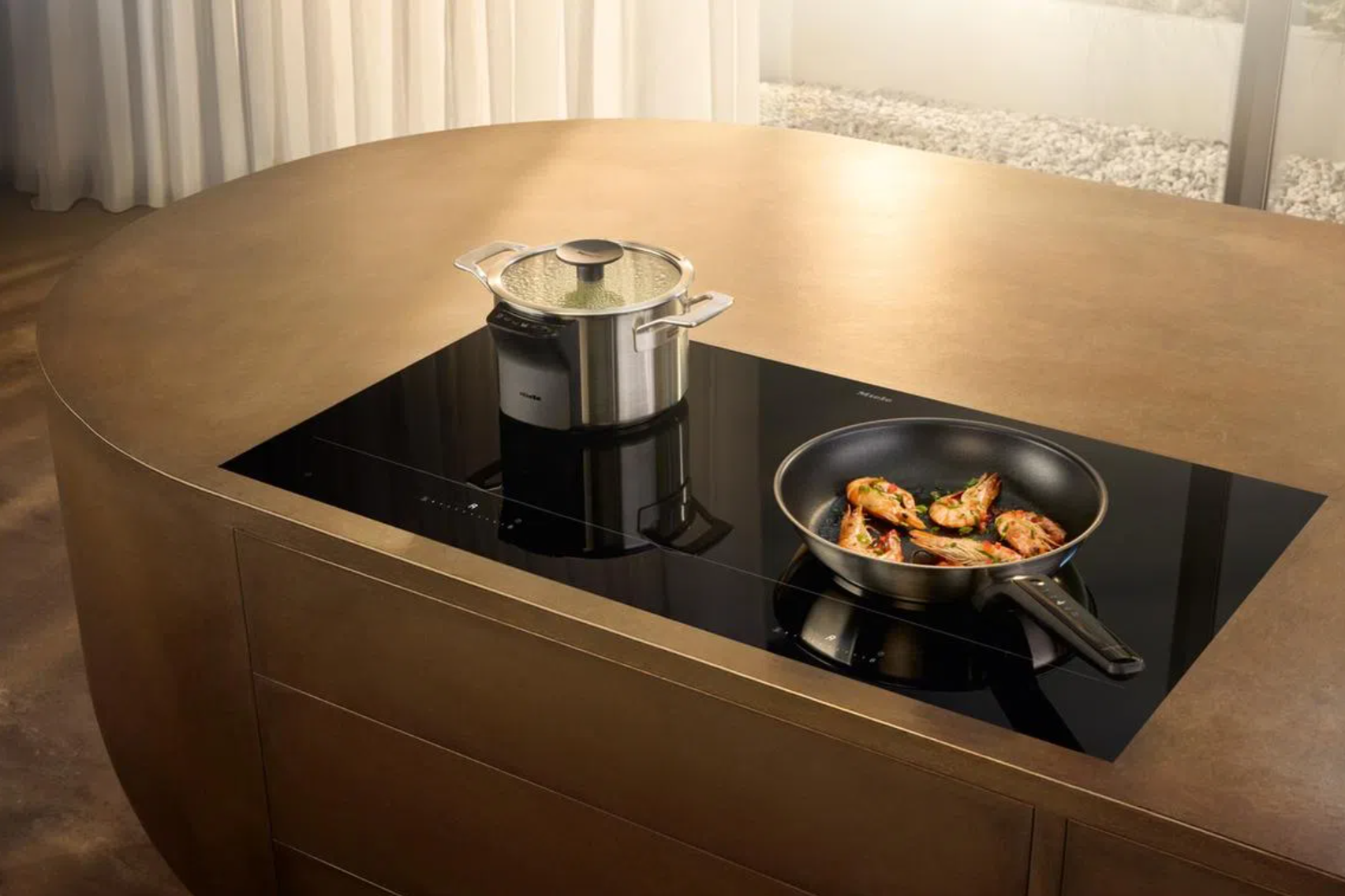
Hero image: editorial photograph. Official brand imagery and required credits are available via the sources above.
Ainsof independently analyzes how advances in robotics affect products, tools, and physical environments. Company names and trademarks belong to their respective owners. References to third-party products do not imply endorsement or partnership.