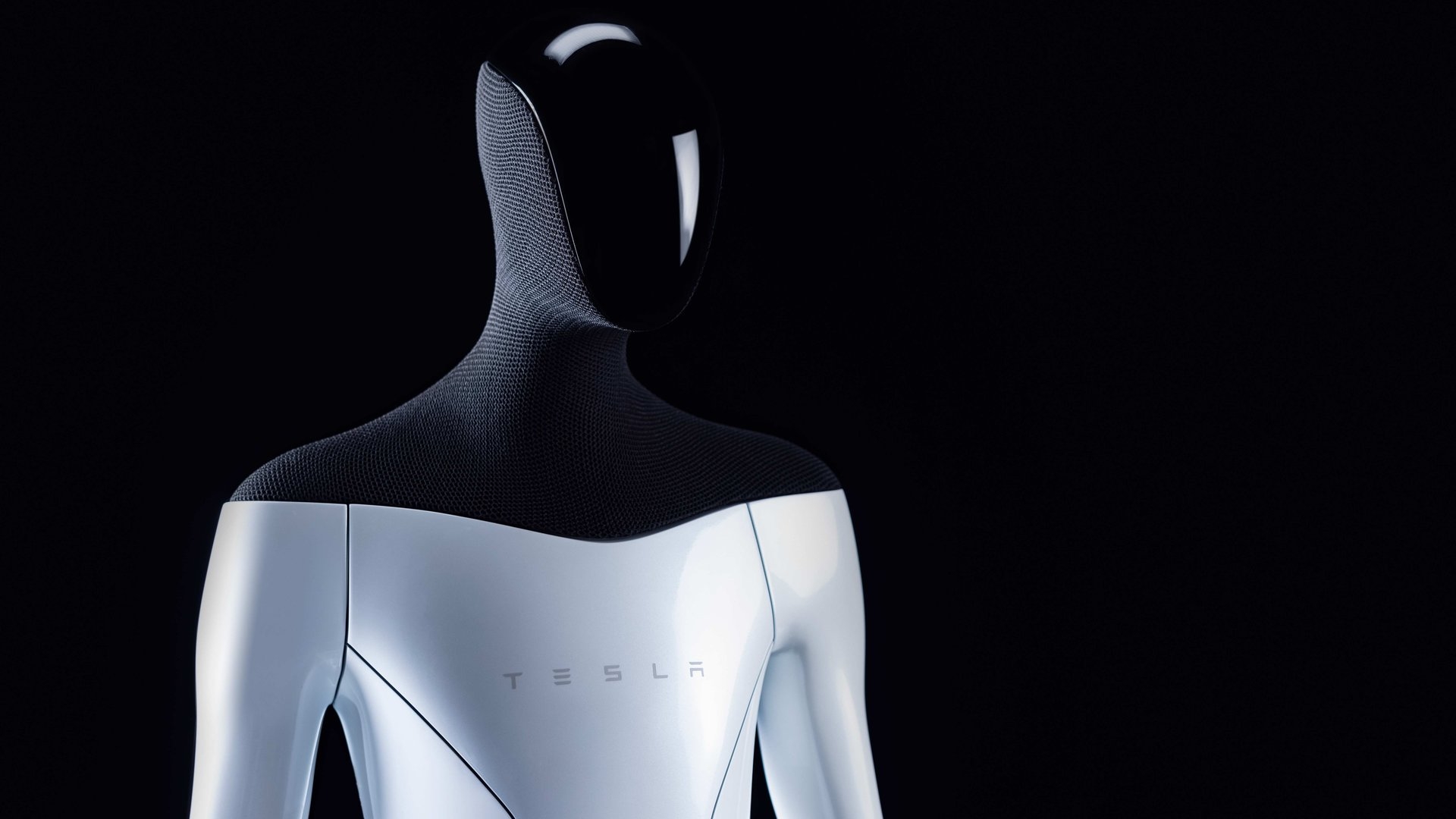
TESLA describes OPTIMUS as a general-purpose bipedal robot for unsafe, repetitive, or boring work. Reaching that goal requires perception, navigation, balance, planning, control, and interaction with the physical world.
The last phrase is where manufacturers enter the story.
Factories are filled with products designed for human workers: drills, bins, fasteners, labels, carts, switches, connectors, protective equipment, packages, and service panels. Each product carries assumptions about the user’s eyes, hands, posture, judgment, and ability to improvise.
A humanoid preserves some of those assumptions through a human-like body. It also changes many of them. Robot hands have different compliance, tactile resolution, friction, and force control. Cameras respond differently to glare, translucency, low contrast, and occlusion. A learned policy may generalize across familiar objects and fail on a subtle variant.
At manufacturing scale, those details become economics. A latch that causes one extra recovery per hundred cycles can reduce throughput. A reflective package can lower pick confidence. A tool that needs a precise thumb movement can create an integration project. A clear, repeatable interaction can shorten deployment and expand the number of tasks a robot performs.
This creates an opportunity for product and industrial-equipment brands. Robot compatibility can become a designed property, tested alongside ergonomics, durability, safety, and cost. The same product can be evaluated across multiple embodiments and policies to identify common bottlenecks.
The process begins with the task. What must the robot perceive? Which action primitives are required? What reach, force, dexterity, and feedback does each step demand? Where does the product reveal state? What happens after a partial failure? Simulation can test variants before tooling changes. Physical trials can confirm contact dynamics and edge cases. Robot logs can connect a failure to a precise product attribute.
OPTIMUS signals a world where general-purpose robots move through human infrastructure at scale. In that world, every product becomes a test of how well its design communicates with a machine.
Sources
Hero image: editorial photograph. Official brand imagery and required credits are available via the sources above.
Ainsof independently analyzes how advances in robotics affect products, tools, and physical environments. Company names and trademarks belong to their respective owners. References to third-party products do not imply endorsement or partnership.